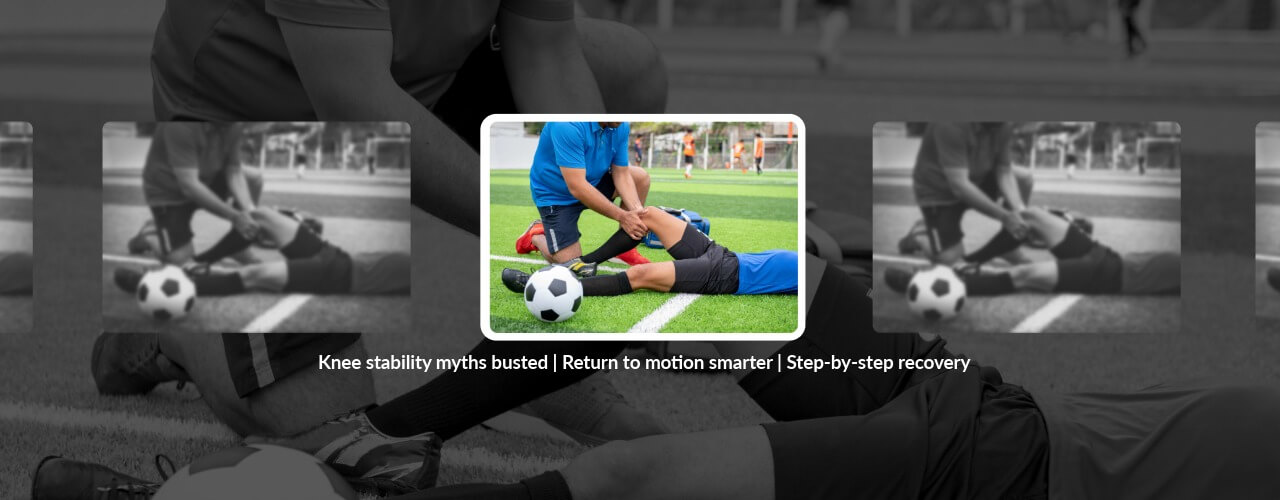
ACL tears are one of the most well-known sports injuries, yet they are often misunderstood. The anterior cruciate ligament (ACL) plays a vital role in stabilizing the knee, especially during quick movements like pivoting, jumping, or changing direction. Athletes in sports such as soccer, basketball, and football are especially prone to this injury, but ACL injuries can also affect non-athletes through falls or awkward landings. Early diagnosis and appropriate rehabilitation are essential for restoring strength and preventing further damage.
At MechanoTherapy, we provide evidence-based treatment for patients recovering from ACL injuries, helping them return to daily life and activity with confidence. Before diving into recovery strategies, it is important to separate the facts from the many myths surrounding this injury.
How Do ACL Tears Happen?
ACL tears typically occur during movements that involve sudden stops, direction changes, or incorrect landings from jumps. In some cases, the injury happens without any physical contact. Common symptoms of an ACL tear include:
- A popping sound or feeling at the time of injury
- Immediate swelling in the knee
- Instability or the sensation that the knee will “give out”
- Pain with weight-bearing or sudden movements
- Limited range of motion or difficulty straightening the knee
A full or partial tear often requires physical therapy and sometimes surgery, depending on severity and patient goals. Regardless of treatment path, structured rehabilitation is key for long-term recovery.
Debunking Common Myths About ACL Tears
There is a lot of misinformation about torn ACLs, especially regarding treatment and recovery. Understanding the truth can help patients make better decisions about their care.
Myth 1: “Only athletes tear their ACLs.”
While athletes are at higher risk due to the demands of their sports, ACL damage can happen to anyone. Slipping on ice, tripping over uneven ground, or falling down stairs can also cause this injury. At MechanoTherapy, we see patients from all walks of life recovering from ACL tears.
Myth 2: “Surgery is always necessary for a full recovery.”
Not all ACL tears require surgery. Partial tears or tears in less active individuals may be successfully managed with physical therapy alone. A well-structured rehab program focuses on restoring knee stability, building strength, and retraining balance and coordination. Your provider will help determine the most appropriate treatment based on your activity level and goals.
Myth 3: “You should rest completely for several weeks after an ACL tear.”
Prolonged rest can actually slow down recovery. While initial swelling and pain may require short-term rest, early guided movement is essential for healing. Physical therapists help patients begin gentle range of motion exercises, weight-bearing, and muscle activation within days or weeks of injury. Activity helps reduce stiffness and maintain joint health.
Myth 4: “Once the swelling goes down, you are healed.”
Decreased swelling is a sign of progress, but it does not mean the ACL has healed or that the knee is ready for full activity. Without proper strengthening and neuromuscular training, the knee remains unstable. This puts patients at higher risk for re-injury. Physical therapy ensures that all aspects of function are addressed, not just pain or inflammation.
Myth 5: “Physical therapy ends when you can walk without pain.”
Walking pain-free is only the beginning of recovery. A full rehabilitation program includes balance work, sport-specific drills, and return-to-function testing. Therapists at MechanoTherapy guide patients through each stage, making sure their strength, control, and confidence are fully restored before returning to higher-level activities.
ACL Tears: Recovery Is a Process, Not a Quick Fix
Effectively treating a torn ACL means committing to a step-by-step process. Recovery time depends on the severity of the injury and whether surgery is required, but in all cases, physical therapy helps patients rebuild strength, restore range of motion, and reduce the risk of future injury.
At MechanoTherapy, we support our patients through every phase of rehabilitation, starting with education and early movement, and progressing to advanced exercises that match your daily or athletic needs.
Choose Trusted Guidance for ACL Recovery
An ACL tear can feel overwhelming, but with the right care and consistent effort, recovery is possible. The physical therapists at MechanoTherapy provide trusted, personalized support grounded in current clinical best practices. Whether you are returning to a sport, your job, or your everyday routine, we are here to help you move forward with confidence.
Contact MechanoTherapy today to begin your evaluation. Let our team guide your recovery and help you regain strength, stability, and peace of mind.
Tags: athletic recovery, knee injury facts, myth-busting care, rehab guidance