
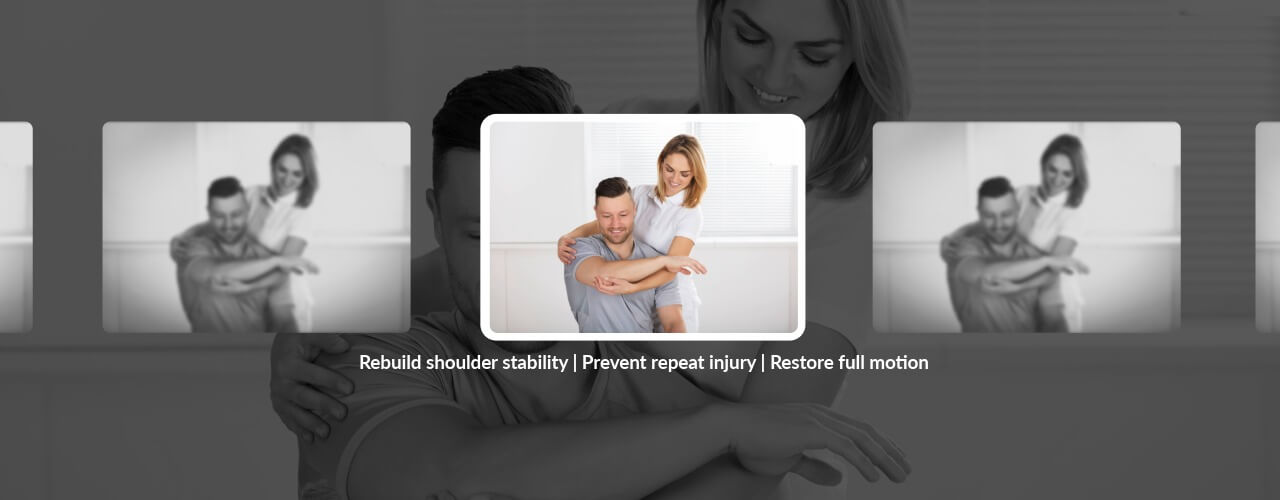
A dislocated shoulder can feel alarming and painful, especially if it is your first time experiencing the injury. The shoulder joint is naturally mobile, which makes it more prone to dislocation during falls, sports, or trauma. While the joint may be relocated quickly, the healing process is far from over. Recovering from shoulder dislocation involves more than waiting for the pain to fade. Proper rehabilitation is essential to regain strength, protect the joint, and prevent it from dislocating again.
At MechanoTherapy, physical therapy plays a key role in helping patients recover safely, rebuild confidence, and restore shoulder function after a dislocation.
Why Recovery Needs More Than Rest
Once the joint is relocated, many people assume the worst is behind them. In reality, dislocations often stretch or tear ligaments, tendons, and soft tissue surrounding the shoulder. This damage can cause instability, weakness, and limited motion. Without guided rehabilitation, the risk of future dislocations increases, especially in active individuals.
Physical therapy provides structured movement, muscle re-education, and joint stabilization exercises that allow for a more complete recovery.
Common Myths About Recovering from A Shoulder Dislocation
Understanding the truth behind recovery can help patients take the right steps toward healing. Let’s explore some of the most common myths and the facts that guide effective treatment.
Myth 1: Once the Shoulder Is Back in Place, the Injury Is Fully Healed
While relocating the joint is an important first step, it does not mean healing is complete. Supporting tissues are often stretched or torn during the dislocation, which leaves the joint unstable. A full recovery requires strengthening and retraining those structures to protect against future injuries.
At MechanoTherapy, our therapists develop personalized plans to rebuild shoulder stability and reduce the risk of repeat dislocations.
Myth 2: You Should Avoid Moving the Shoulder for Weeks
While some rest is necessary, prolonged immobility can lead to stiffness and muscle atrophy. Early controlled movement is critical for regaining range of motion and preventing complications like frozen shoulder. Physical therapy introduces gentle, safe exercises to restore movement while protecting healing tissues.
The timeline for activity is based on the severity of the injury and your body’s response, not a fixed rule. Your therapist will guide you through each phase of recovery.
Myth 3: Only Athletes Need Physical Therapy After a Dislocation
Dislocations can happen to anyone, not just athletes. Whether it occurred during a fall, an accident, or while doing household tasks, the effects on the joint are the same. Recovering from a shoulder dislocation without therapy may lead to chronic instability or weakness, regardless of your activity level.
Physical therapy is appropriate for all ages and lifestyles, from active teens to older adults looking to regain independence and comfort.
Myth 4: Strength Will Return Naturally Over Time
Muscle strength does not automatically return without targeted effort. In fact, the shoulder muscles may compensate in unhealthy ways if left unaddressed, leading to imbalances and pain. Physical therapy focuses on activating the correct muscles, improving posture, and supporting the joint through controlled resistance training.
Without a structured plan, you may return to daily activities with poor mechanics that increase your risk of re-injury.
Myth 5: Surgery Is the Only Way to Prevent Redislocation
Many patients recover fully through conservative care and never need surgery. Surgery is typically considered only when the joint remains unstable after repeated dislocations or when there is significant tissue damage. Most first-time dislocations can be treated successfully with physical therapy.
At MechanoTherapy, our team evaluates your specific condition to determine the most effective path forward, with surgery as a last resort if needed.
Physical Therapy and the Right Approach to Recovery
To succeed in recovering from shoulder dislocation, patients need a plan that addresses healing, strength, mobility, and function. At MechanoTherapy, our therapists focus on every aspect of your recovery:
- Joint protection and posture correction
- Pain and swelling management
- Range of motion restoration
- Muscle strengthening and coordination
- Return-to-activity planning
- Education on preventing future injuries
Each phase of care builds on the last, ensuring your shoulder recovers safely and efficiently.
Let MechanoTherapy Help You Recover With Confidence
Healing after a shoulder dislocation does not need to be a guessing game. Avoiding these common myths and choosing expert guidance will help you move forward with strength and stability. Whether this is your first dislocation or part of a recurring pattern, MechanoTherapy is here to support you with accurate, effective, and personalized care.
Contact MechanoTherapy today to schedule your evaluation and begin your recovery with a trusted team by your side. We are committed to helping you return to the activities you enjoy without fear of another setback.
Tags: mobility training, shoulder rehab, injury recovery, joint instability

